Research Operations — 2026
Agent-assisted research operations
An employee-facing system of an orchestrator root agent and purpose-built subagents, with humans in the loop, applied across nearly every stage of the research lifecycle. The goal was research velocity: move the throughput to the system and keep the judgment with the researcher.
Research and AI strategy lead — agent architecture, orchestration design, evaluation
- less per year in tooling
- $8,000less per year in tooling
- lifecycle stages covered
- 4lifecycle stages covered
- orchestrator and subagents
- 1 + 4orchestrator and subagents
The problem
The research process carried heavy manual effort at nearly every stage, from planning through synthesis and reporting. Insight is time-sensitive by nature: turnaround time, not analytical rigor, was the binding constraint on impact.
Some partners in the organization had started opting out of research entirely rather than absorb the time cost. That is the real failure mode.
“When the process outlasts the decision it was meant to inform, teams stop asking for research at all.”
The approach
Agents were built and adopted to raise research velocity. AI was applied at nearly every stage of the lifecycle, and every stage kept an explicit human decision point.
- 01
Plan
Objectives, methodology recommendations, and a drafted research plan.
- 02
Build
Research plan artifacts inform the drafts of screeners and scripts. The agent outputs screeners in a standardized structure; it can also provide early ideation of the script.
- 03
Report
Reports generated against a standard, repeatable structure.
- 04
Reuse
Findings triangulated across studies and gaps identified. Everything indexed in a dynamic repository using metadata, retrievable on demand.
The architecture
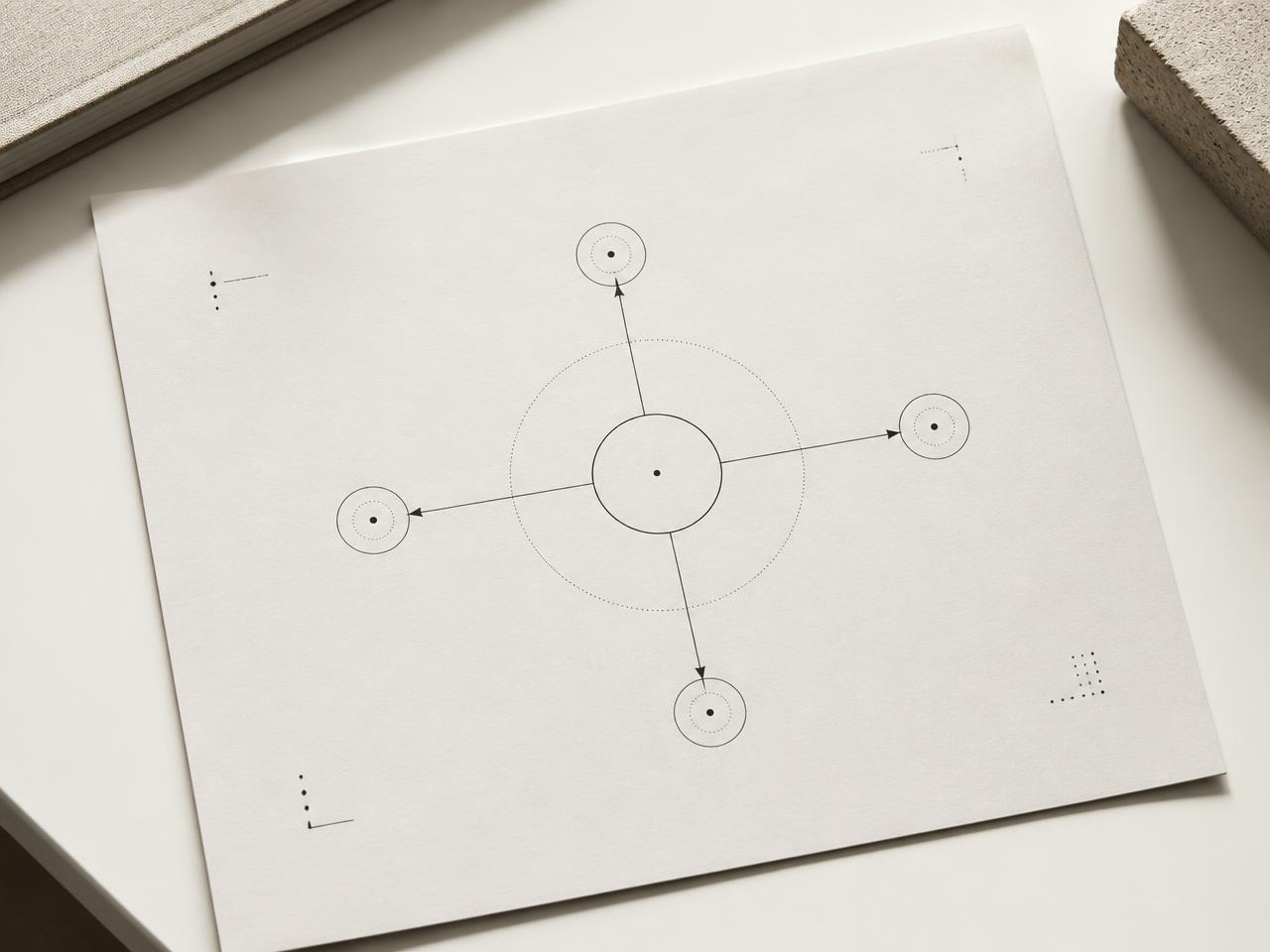
Rather than one generalist prompt, the system is an orchestrator root agent with four scoped subagents, each with explicit instructions and a defined handoff back to a person.
Root
Orchestrator (root agent)
Holds context, routes tasks, and sequences the subagents.
Human in the loop at every handoff
Compresses planning
Research plan agent
After problem definition and the establishment of research questions, the agent ingests transcripts, drafts the plan, and recommends a methodology fit to the research question.
Replaces a paid platform
Research repository agent
A dynamic, nimble store that answers questions rather than filing documents — surfacing gaps in coverage and triangulating findings across the body of the team's work.
Standardizes output
Report agent
Writes to standard structures so reports arrive in a predictable shape and stakeholders learn where to look.
Shifts accessibility left
Usability testing agent
Builds usability tests directly from design links and reviews those designs for use cases, potential usability challenges, and WCAG violations before a session is ever scheduled.
The build
Each agent was scoped to remove one specific bottleneck. The repository agent replaced a static, licensed platform with a dynamic one that answers questions instead of storing files. The plan agent compressed the front end of a study. The report agent made outputs maintain a predictable structure. The usability testing agent moved review earlier than the first session.
The outcome
A faster practice that also cost less to run. The AI-driven research repository replaced the previous solution at $8,000 less per year, while being more dynamic and more nimble than what it replaced.
Velocity, not shortcuts
Research moved at the pace of the decisions it served, with humans still reviewing every handoff.
Gaps made visible
The repository surfaced where evidence was thin and triangulated findings across studies.
Consistent reporting
Standard structures made reports predictable to produce and store.
Accessibility earlier
Potential WCAG violations and other usability barriers were flagged against designs before testing began.
The takeaway
Agents earn their place by removing reasons people skip research.
Systems thinking: an orchestrator with scoped subagents, rather than one generalist prompt. Human-centered by design: humans in the loop are a design decision, not a caveat — judgment stays with the researcher while throughput moves to the system.
Evidence to strategy: the build was assessed on the outcomes leadership cares about — speed to insight, cost to operate, and quality of what ships.